Childrens Clothing Brand Hanna Andersson Makes Its Official Amazon Debut to Capture On-Demand Shoppers and Drive Incremental Growth

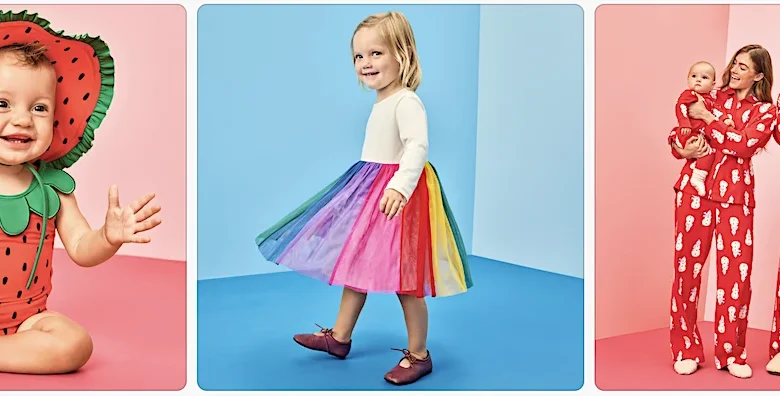
Oregon-based children’s apparel brand Hanna Andersson has officially launched its storefront on Amazon, marking a major shift in the 40-year-old company’s digital distribution strategy. The move brings a curated selection of the brand’s signature sleepwear, playwear, and everyday essentials to the world’s largest e-commerce marketplace, designed specifically to capture parents searching for speed and convenience.
While the brand has spent decades cultivating a loyal direct-to-consumer following through its proprietary website, catalog history, and physical experiences, leadership determined that meeting modern consumers where they shop is essential for long-term survival in a tightening retail landscape. The Amazon launch represents a calculated step to expand market share, introduce the brand to new demographics, and leverage the e-commerce giant’s dominant infrastructure, particularly its industry-leading baby registry ecosystem.
Strategic Assortment Curated from Archives
Rather than replicating its entire direct-to-consumer inventory on Amazon, Hanna Andersson has structured its marketplace storefront with intentional exclusivity. Approximately 90% of the products featured on the Amazon platform are entirely unique to it.
To build this specialized assortment, the brand’s product teams delved deep into historical archives, sorting through decades of best-selling prints, enduring fabrics, and proven silhouettes. The final curation highlights some of the company’s most beloved categories from recent years, including coordinated family-matching sets, underwear, and its renowned soft sleepwear.
However, the brand has drawn a distinct line between what it sells on Amazon and what remains exclusive to its native website, HannaAndersson.com. On Amazon, the inventory focuses heavily on high-frequency, everyday staples, playwear, and gifting sets. Meanwhile, the brand’s official website continues to serve as the exclusive home for elevated seasonal dresses, complex holiday assortments, and extensive collections of mix-and-match family pajamas—such as its popular holiday prints featuring the Peanuts gang and the Grinch.
A Response to Consumer Demand for Speed and Convenience
The decision to partner with Amazon stems from a fundamental evolution in how modern parents approach shopping. According to Hanna Andersson CEO Aimée Lapic, the omnichannel strategy is designed to capture parents at the exact moment of urgent need.
In modern parenting, predictability is frequently upended by sudden calendar events, such as a next-day outfit requirement for a child’s school spirit week or an unexpected growth spurt. Lapic noted that by failing to maintain a presence on Amazon, the brand historically missed out on these high-intent, time-sensitive purchase occasions.
Furthermore, company leadership views the marketplace not as a substitute for its primary web domain, but as an effective customer acquisition funnel. By capturing shoppers who rely on Amazon for fast delivery and discovery, Hanna Andersson hopes to convert first-time buyers into long-term brand loyalists who will eventually migrate to the brand’s proprietary ecosystem for future purchases. The two channels are intended to operate in tandem, driving cumulative enterprise growth.
Navigating a Challenging Macroeconomic and Demographic Landscape
Hanna Andersson’s Amazon debut arrives during a period of profound structural challenge within the children’s apparel sector. The industry is currently contending with significant demographic headwinds, most notably falling birth rates across the United States. According to federal health data, approximately 700,000 fewer children were born in the U.S. last year compared to 2007, shrinking the total addressable market for baby and children’s clothing brands.
Simultaneously, persistent inflationary pressures and elevated living costs have forced parents to exercise heightened financial caution. A consumer study published by Mintel revealed that 36% of respondents consider price to be the single most important factor when purchasing clothing for children under the age of 12.
These economic pressures have triggered widespread restructuring across the children’s retail sector. Competitor Carter’s executed a brand refresh to court younger Millennial and Gen Z parents while simultaneously closing 29 U.S. stores during the first two quarters of its fiscal year, according to regulatory filings. Similarly, The Children’s Place has shuttered hundreds of brick-and-mortar locations over the past five years to stanch financial losses.
At the same time, big-box giants like Target and Walmart have aggressively expanded their proprietary baby and children’s assortments. Major retailers are increasingly investing in elevated in-store displays and comprehensive product lines to own the early childhood retail category, leaving independent and mid-sized apparel brands fighting for visibility.
Leveraging the Power of the Amazon Baby Registry
A primary driver behind Hanna Andersson’s marketplace strategy is the opportunity to capture market share within Amazon’s dominant baby registry network. The registry program offers powerful consumer incentives, including a free welcome box for Prime members, a 15% completion discount, and a generous one-year return policy.
By positioning products like its HannaSoft four-way stretch sleepwear within the Amazon Baby Registry ecosystem, the brand aims to position itself early in a consumer’s parenting journey. Because new parents rely heavily on peer reviews and community feedback when selecting infant care products, Hanna Andersson is actively encouraging its Amazon customers to share detailed reviews of their purchases to build immediate social proof on the platform.
Balancing Digital Expansion with Experiential Retail
Despite the heavy operational and marketing investments directed toward Amazon and its broader digital infrastructure, Hanna Andersson remains deeply committed to physical and experiential retail. Company executives firmly believe that tactile engagement remains a core differentiator in a crowded apparel market.
The brand’s digital transformation timeline underscores this multi-pronged approach. Founded in 1983 as a traditional mail-order catalog business, Hanna Andersson operated more than 50 brick-and-mortar retail stores before pivoting to a strictly online model in 2020 amid the disruptions of the COVID-19 pandemic. In 2025, the brand expanded its reach into traditional wholesale by launching an exclusive line of baby products distributed across more than 50 independent boutiques.
Simultaneously, the brand has doubled down on customer retention through alternative digital avenues, including its personal shopping service, a formal loyalty program that recently surpassed one million members, and its dedicated secondhand resale platform, Hanna-Me-Downs, which has seen unique buyers increase by nearly 20% year over year.
On the experiential front, Hanna Andersson has embraced mobile marketing to bridge the gap between digital discovery and physical touchpoints. Over the summer, the company deployed a custom red Airstream trailer on a roadshow across California, stopping in affluent communities like Mill Valley and Malibu to showcase its back-to-school collections. Additionally, the brand hosted successful "Bedtime Stories" pop-up events in independent bookstores in New York City and Los Angeles. Notably, its Los Angeles activation featuring author and illustrator Jon Klassen reached full RSVP capacity within just three hours, leaving a waiting list of 400 families.
Looking Ahead to Future Growth
As Hanna Andersson moves deeper into its strategic roadmap, leadership maintains that the magic of the brand lies in the physical quality of its textiles. Executives argue that no digital screen can fully replace the experience of seeing garments in person and feeling the fabric quality that has defined the company for four decades.
By combining an aggressive digital presence on Amazon to capture on-demand convenience shoppers, maintaining a robust direct-to-consumer website for seasonal and elevated collections, and investing in high-touch experiential pop-ups, Hanna Andersson is attempting to build a resilient, omnichannel business model capable of weathering industry-wide headwinds through 2027 and beyond.